 Article 3 (d) of the COMESA Treaty has prioritized the promotion of peace and security in the region. This is in recognition that without peace and security, the regional integration agenda cannot be sustained and realized. To this end COMESA has been implementing different programmes in peace and security in the areas of conflict prevention, conflict management, governance and democratization and post-conflict reconstruction and development. In the implementation of these programmes COMESA under the Governance, Peace and Security unit has been working closely with Civil Society Organizations (CSOs) in the region.
The partnership and collaboration with Civil Society Organizations (CSOs) is based on the various decisions of Minister of Foreign Affairs. The Second Meeting of the Ministers of Foreign Affairs that was held in Lusaka on 12th April 2001 made a Decision regarding the involvement of Civil Society and Private Sector Oragnisations in matters of peace and security within the framework of the COMESA Programme on Peace and Security. The objective was to enhance the role of Private Sector and Civil Society in conflict prevention and peace building given that conflicts in our region are complex and call for multifaceted approaches which require a variety of stakeholders to work together to address them. In addition, the Sixth Meeting of the Ministers of Foreign Affairs that was held in Kigali, Rwanda in June 2005 urged COMESA to work closely with Civil Society Organizations (CSOs) in the region in the promotion of peace and security agenda. The meeting further directed COMESA through the Governance, Peace and Security Unit to identify and accredit credible CSOs in the region through the holding of national consultations.
In response to these Decisions, the Secretariat developed Rules and Procedures for accrediting Civil Society and Private Sector Organizations and these were validated by Government Officials, representatives from Civil Society and Private Sector in Eswatini in May 2004 and adopted by the Fourth Meeting of the Ministers of Foreign Affairs that was held in Kampala, Uganda in June 2004.
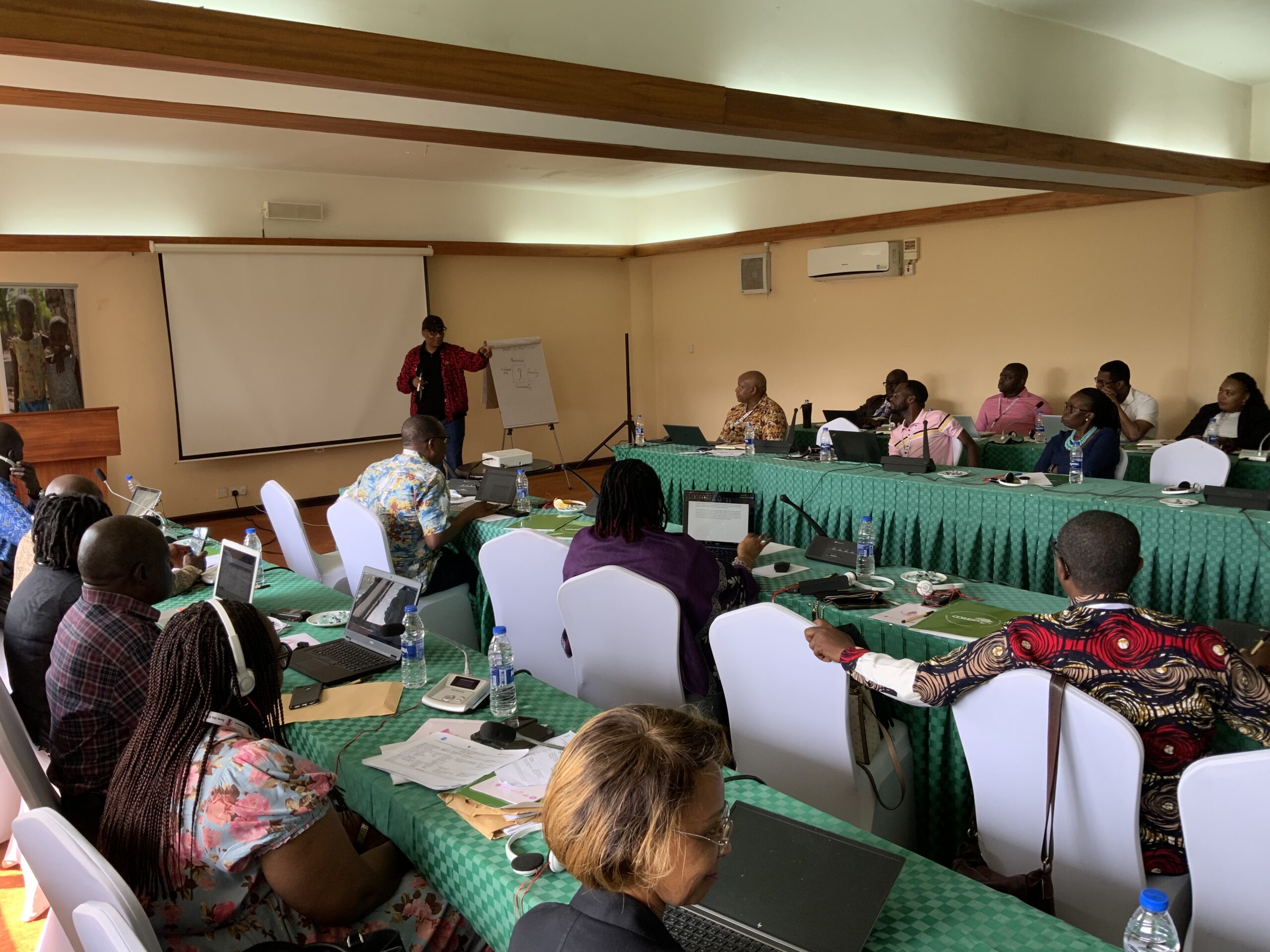
In response, the Secretariat held 17 Country consultations in Burundi, Comoros, DR Congo, Djibouti, Egypt, Ethiopia, Kenya, Madagascar, Malawi, Mauritius, Rwanda, Seychelles, Eswatini, Sudan, Uganda, Zambia and Zimbabwe. Through the National Consultations in these countries, 13 organizations were granted accreditation by the Seventh meeting of Ministers of Foreign affairs that was held in November 2006 in Djibouti. Subsequent meetings of Ministers of Foreign Affairs have continued to grant accreditation to more CSOs in the region. Through its work plans COMESA through the Governance, Peace and Security Unit has involved Civil Society Organizations in promoting the COMESA Conflict Early Warning System (COMWARN) Structural Vulnerability Assessment (SVA) methodology through participation in the national multi-stakeholder consultations, development of mediation handbooks for resource and electoral conflicts, and elections observation among others.
GPS and the African Union Economic, Social and Cultural Council (ECOSOCC) are jointly implementing a project titled ‘Enhancing the participation of African Civil Society within the African Peace and Security Architecture framework’ as part of the EU APSA IV programme. The project is designed to ensure the relevant provisions in the Peace and Security Council (PSC) Protocol, that is, the Livingstone Formula and the Maseru Conclusions are fully implemented with a view of enhancing the involvement and participation of CSOs in peace and security activities of the AU in line with the EU APSA IV plan of action.
Citizens’ voices are often excluded during peace processes in conflicting communities which often results in negative/fragile peace in warring communities. Thus, the project has been curated to build the capacities of CSOs in peace and security to effectively participate in conflict prevention, management, resolution and post-conflict reconstruction and development, specifically with the AU-PSC and RECs/RMs.